North Devon is one of the best places in the country to watch a storm roll in, as long as you keep your wits about you. When an Atlantic low drives big seas into the Bristol Channel, the north-facing coast around Ilfracombe puts on a jaw-dropping show, and there are plenty of high, safe spots to take it in, from Capstone Hill to the clifftops above Woolacombe. The golden rule never changes. Keep well back, stay high and dry, and never set foot on a harbour wall or pier when the sea is up. Here's where to go, how to read the conditions, and how to come home in one piece.
When storms hit this coast
The stormy stretch here runs from roughly October through to March, when low pressure systems queue up out in the Atlantic and fire wind and swell straight at the coast. Some of the biggest seas arrive with a named storm, and the naming season now starts on 1 September, so by the time the clocks go back we're usually a few names into the list. Storm Austen and Storm Boelo both turned up in October 2026 to get the season going.
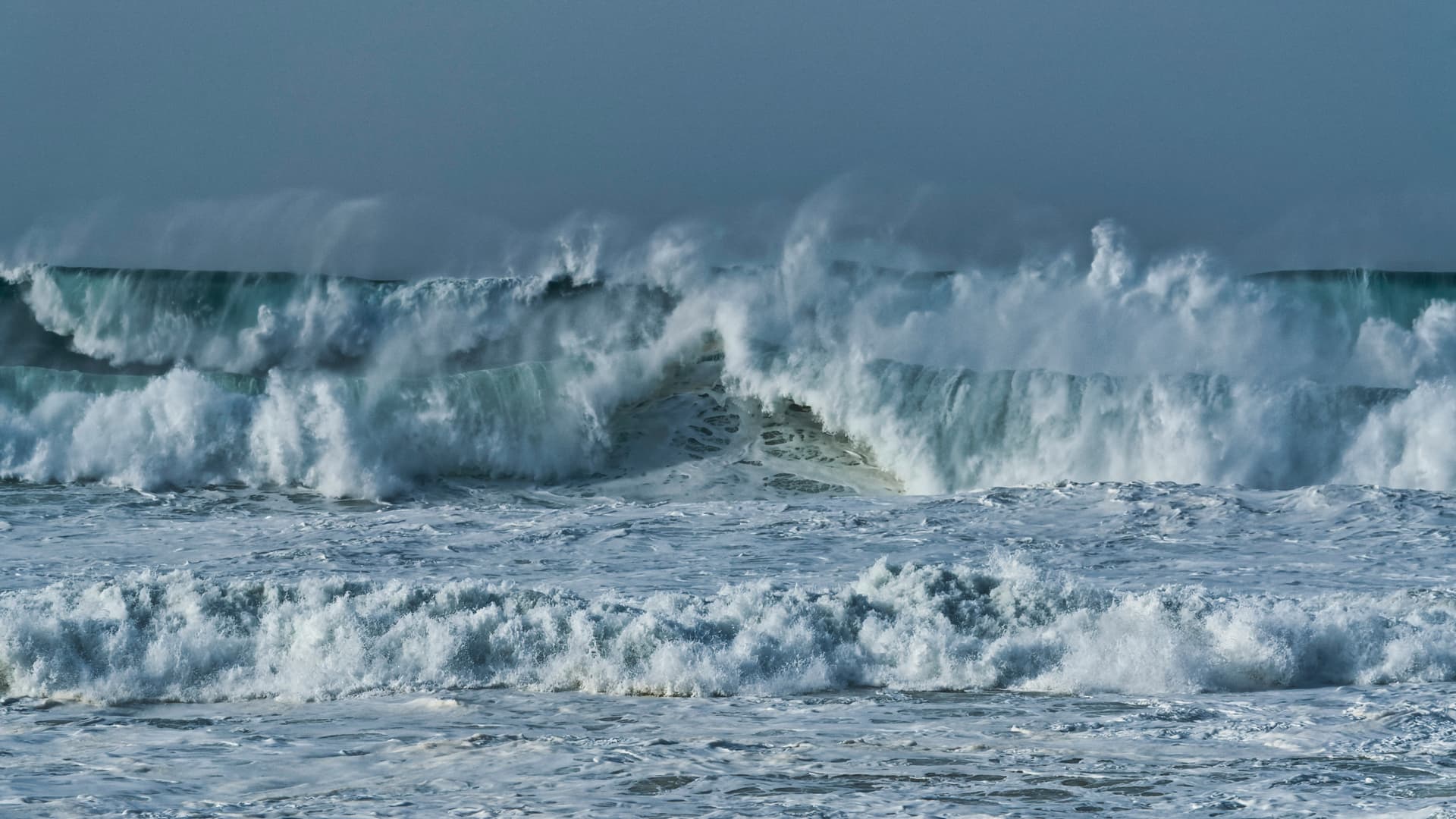
What makes this coast special for storm watching is the Bristol Channel itself, which funnels and lifts the sea as it narrows. That, combined with one of the largest tidal ranges anywhere in the world, means the water can go from flat calm to thundering in a matter of hours. You don't need a named storm either, as a brisk onshore blow on a big tide does the job.
Reading the conditions
Three things decide whether you get a damp squib or a proper spectacle, and the first is wind direction. This coast faces broadly north and west, so onshore winds blowing in off the sea, anything from westerly round to northerly, pile up the biggest and messiest seas. A southerly or offshore wind tends to flatten everything off, however hard it's blowing.
The tide is just as important. With that huge Bristol Channel range, the sea only reaches the walls, rocks and headlands near high water, so the drama is almost always around high tide, and bigger still on a spring tide around a new or full moon. At low water even a serious swell breaks a long way out. Check the tide times and aim to be in position for an hour or so either side of high water. A big low also sends swell ahead of itself, so the sea can be huge before the wind arrives.
Last, check the warnings before you set off. The Met Office issues yellow, amber and red wind warnings through its National Severe Weather Warning Service, and a red warning means a genuine danger to life, so stay away from the seafront altogether when one is in force. You can get a quick look at what the sea is doing on the harbour webcam before you commit to a drive.
The best spots
Capstone Hill and Capstone Parade
Capstone is the classic Ilfracombe storm perch, a rocky little hill rising straight off the seafront with a path to the top. From up there you're high and safe with the full sweep of the sea in front of you, and it's at its best on a northerly or northwesterly blow at high tide, when the waves break hard against the shore below. The Capstone Parade path along the bottom gets swamped and dangerous when it's big, so keep off it and climb the hill instead. Park at the Wilder Road or Cove car parks on the seafront, some letting you watch from the car when it's truly foul.
Lantern Hill and the harbour wall
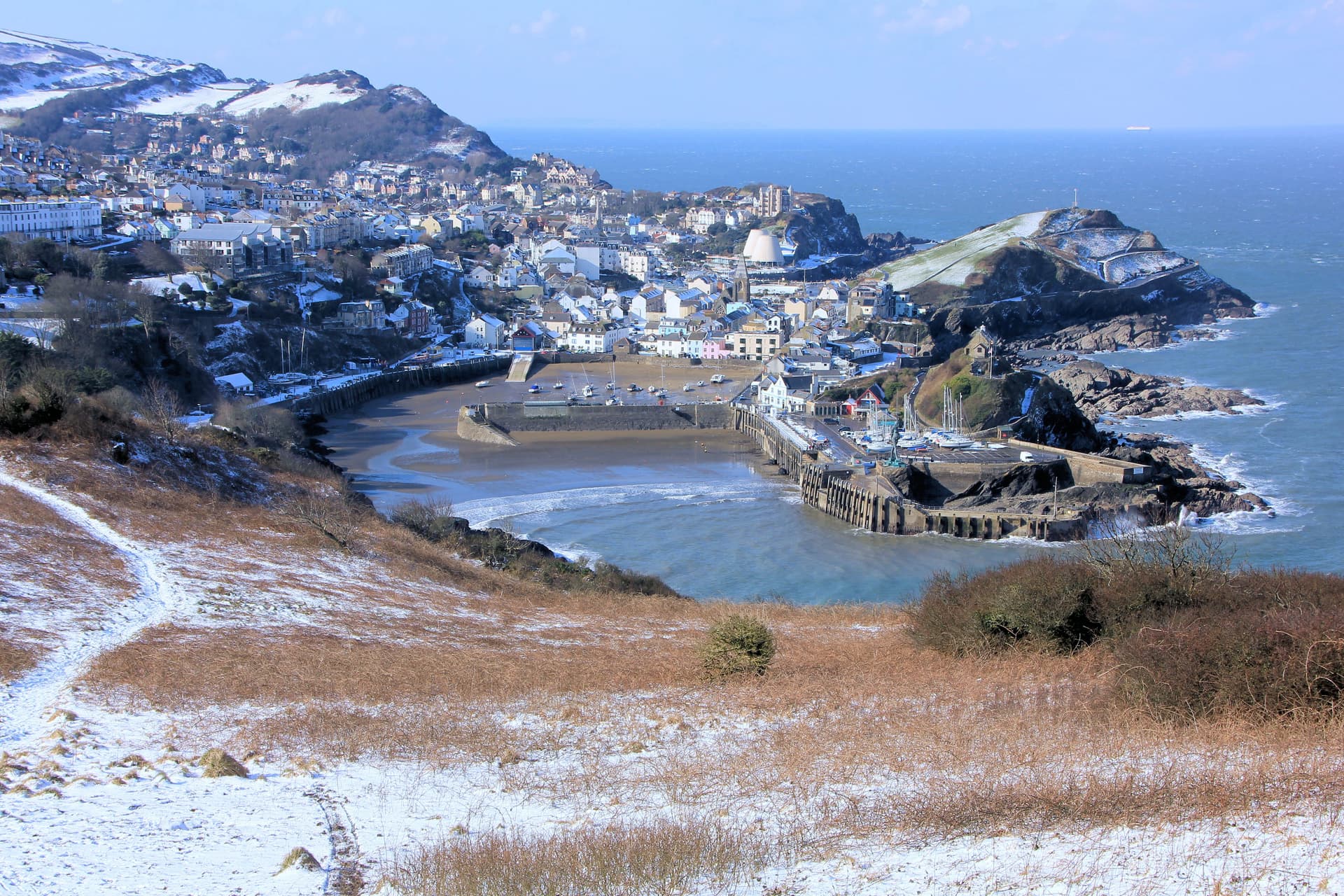
Lantern Hill, with the little chapel of St Nicholas on top, sits right above Ilfracombe harbour and gives you a cracking high view down over the water as the swell rolls in past the pier. It's a short, steep climb from the harbour and well worth it. The harbour wall and the quay themselves are a different matter, because waves come clean over them in a big sea, so treat them as off-limits once it's rough and watch from the hill. Park at the harbour or pier pay and display, which fills fast on a dramatic day.
Ilfracombe pier
The pier gives you a close-up of the harbour mouth in a moderate blow, and on a breezy, interesting day it's a fine place to feel the weather. The moment the sea is really up, or any wind warning is in force, it is no place to be, as it takes the full force of the waves and people have been swept off piers like it elsewhere. Use it only when conditions are calm enough to be obvious, and the second you're getting hit by spray, get off it and back up to Lantern Hill or Capstone.
Morte Point
Out beyond Mortehoe, Morte Point is a wild, rocky finger of land where the tides race and the sea boils around the rocks in a storm. It faces the full westerly and northwesterly swell, so it's one of the most dramatic spots on the coast, though also one of the most exposed. Stay well back from the edges and the lower rocks, because a strong gust out here can knock you flat. Park at the National Trust car park in Mortehoe and walk out, around twenty to thirty minutes, so this one is for watching on foot rather than from a car.
Bull Point
Bull Point, with its working lighthouse, sits on an even more exposed headland to the northwest, taking westerly and northerly weather right on the nose. The seas here are huge and the setting feels remote. It's reached on foot from Mortehoe along the coast path, so give yourself time and good boots, and keep a very healthy distance from the cliff edges in any wind. This is a spot for the confident walker on a safe day, not somewhere to scramble about when it's blowing a hooley.
Woolacombe Esplanade and Marine Drive
Woolacombe faces roughly west and northwest, so it catches the cleanest Atlantic swell and is a favourite for watching huge surf. The Esplanade gives you a view across the sand, though the best and safest vantage is up on Marine Drive, the National Trust road climbing north above the bay, where you can often watch the whole thing roll in from the car. Biggest seas come with a westerly or northwesterly wind on a high spring tide. Park on the Esplanade or at the Marine Drive car park above the dunes.
Lee Bay
Lee is a sheltered, rocky cove tucked in a wooded valley west of Ilfracombe, which makes it a quieter, gentler storm watch than the big open spots. At high tide with a northwesterly running, the swell funnels neatly into the cove and breaks over the rocks, and the low lane by the beach can flood on a big spring tide, so park up the hill and walk down rather than leaving the car near the water. It's a lovely one for a wrap-up-warm wander between the squalls.
Combe Martin seafront
Combe Martin sits at the head of a long, narrow bay that faces north and northeast into the channel, so a northerly brings the sea right up the beach to the seafront wall. You can watch easily from the road and car park along the front, one of the more accessible spots and good from the car on a wild day. Stay back from the sea wall and the beach access when it's big, as the water surges up without much warning.
Watching from indoors
When it's truly savage outside, the smartest seat is behind glass with a hot drink. Several of the harbourside cafés and pubs in Ilfracombe have windows looking over the water, and Larkstone Cafe Bar sits right by Larkstone Cove on the eastern side of the harbour, handy for watching the sea without getting a soaking. Winter opening hours move around from place to place, so it's worth a quick call before you set out to make sure your chosen spot is open. A warm window is the safest storm watch there is, so there's no shame in choosing comfort when the forecast is grim.
Staying safe
Storms kill people on this coast most years, almost always because someone got too close, so take this bit seriously. Never stand on the harbour wall, the pier, sea walls, breakwaters or exposed rocks when the sea is up, because waves sweep clean over them and drag people in. Stay well back from cliff edges in high wind, since a sudden gust can put you off balance in an instant.
Watch out for the lulls, too. Waves arrive in sets, and a calm spell of ten or fifteen minutes can tempt you forward just before a far bigger set lands, so pick your spot and stay there rather than creeping closer. The RNLI sums it up neatly, stay back, stay high, stay dry, and if the spray is reaching you then you are already too close. Keep dogs on their leads near the water and never go in after one that gets into trouble. Don't drive through a flooded road to reach a spot, as it's deeper and faster than it looks.
If you do see someone in difficulty in the water, call 999 or 112 and ask for the Coastguard straight away, and never go in after them. Throw them something that floats instead and keep talking to them until help arrives. For the longer walks out to the headlands, our best coastal walks guide has the routes, and for calmer-day viewpoints that aren't about big weather, see our coastal views guide. All the safety guidance and seasonal details here were checked in late October 2026, and warnings change by the hour, so always look at the latest forecast before you go.
Frequently asked questions
Where is the best place to watch storms in North Devon?
Capstone Hill in Ilfracombe is the classic, a high and safe vantage right above the seafront. Lantern Hill over the harbour and the Marine Drive car park above Woolacombe are excellent too. All of them let you take in big seas from high ground, well back from the water, which is exactly where you want to be.
Is it safe to watch storms at Ilfracombe harbour?
Watch from Lantern Hill or the roads above and yes, it's fine, but never from the harbour wall or the pier when the sea is up. Waves break straight over them and sweep people in most years. If spray is reaching you, you're already too close, so move back onto higher ground.
When is storm season in Devon?
The stormiest months run from about October through to March, when Atlantic low pressure systems line up and track across the country. The Met Office starts naming storms at the beginning of September, and the biggest seas here usually come when a strong onshore wind piles into the Bristol Channel on a high tide.
Can you watch storms from a café in Ilfracombe?
You can. Several harbourside cafés and pubs have windows over the water, and Larkstone Cafe Bar sits right by the cove on the eastern side of town. Winter hours move about, so ring ahead to check, and treat a warm window as the safest seat in the house when it's really wild out there.
What wind direction gives the biggest waves at Woolacombe?
Woolacombe faces roughly west and northwest, so it gets its biggest, cleanest surf from a westerly or northwesterly swell driven in by Atlantic winds. Pair that with a high spring tide and the bay really comes alive. A southerly or offshore wind, by contrast, tends to flatten the sea right off.