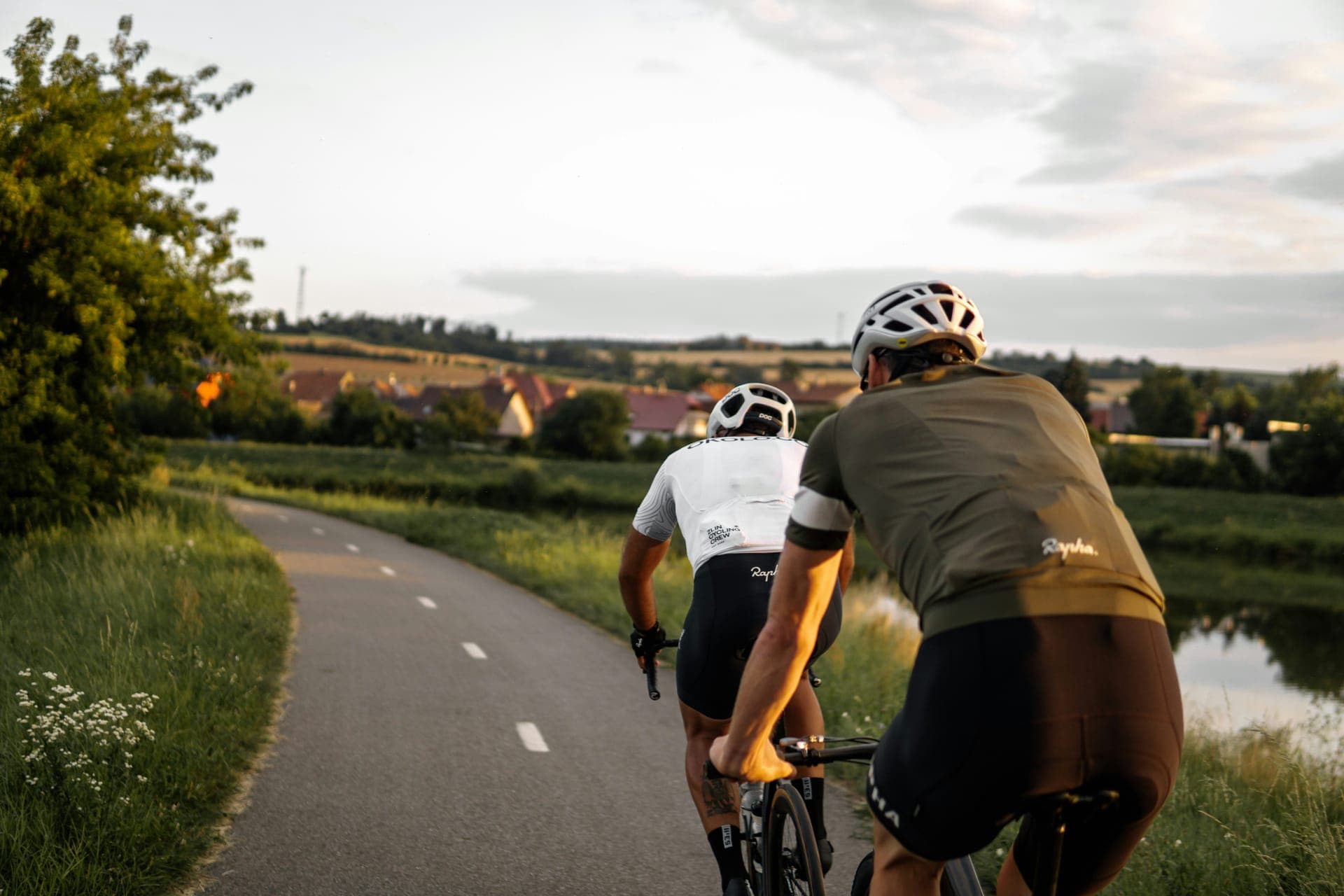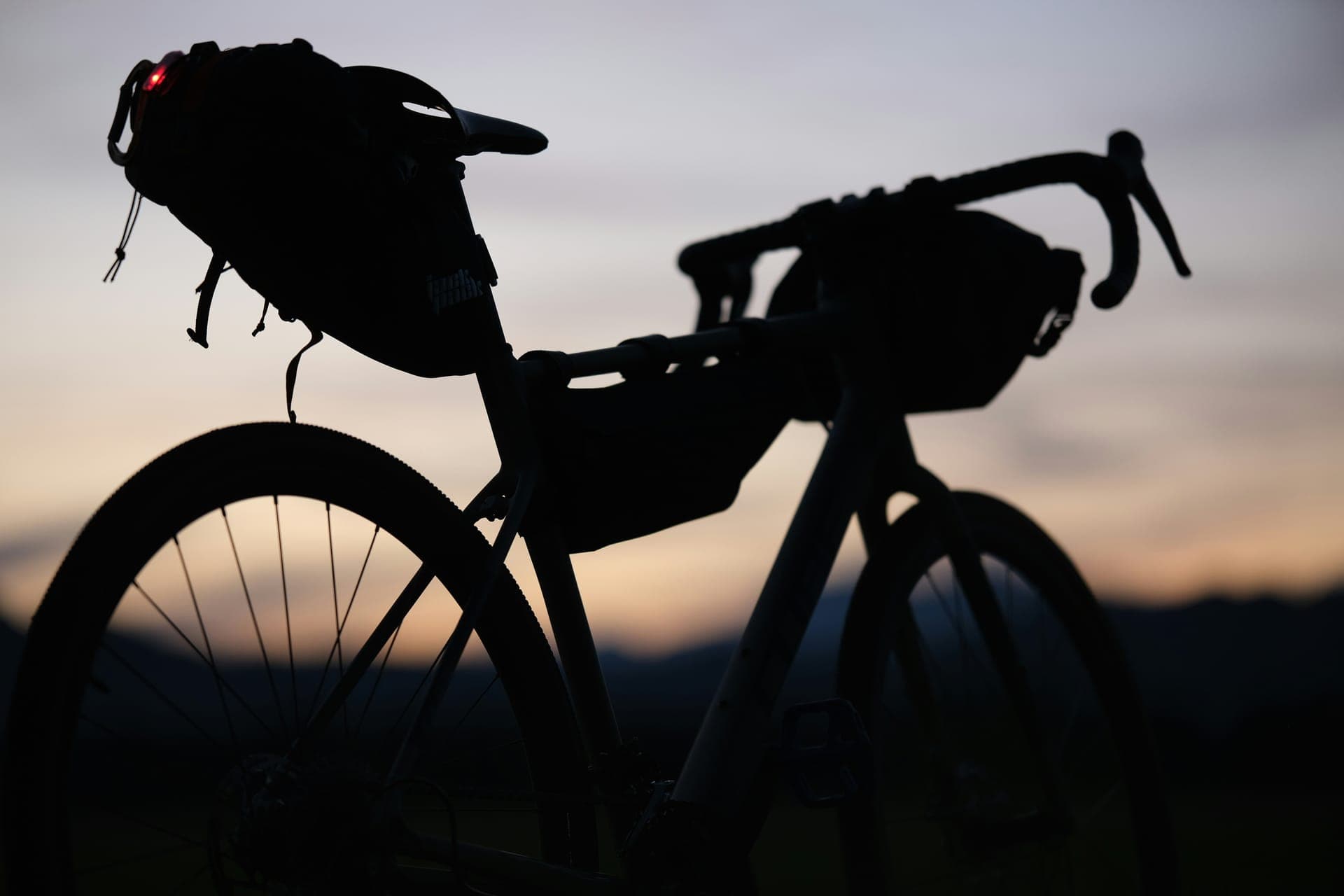
If you want a proper cycling adventure on the North Devon coast, bikepacking here delivers big views, long climbs and a landscape that never sits still. A loop from the EX34 coast can take you along Atlantic beaches, through the coastal towns and out into the wild edge of Exmoor before bringing you back to the sea. It is not a gentle ride, the climbs are frequent and the elevation stacks up fast, but the scenery makes every one of them worthwhile.
Distance: a flexible loop, roughly 60 to 90 miles depending on how far into Exmoor you go Days: 2 to 3 Terrain: quiet lanes, coast tracks and Exmoor bridleways, hilly throughout Start and finish: the EX34 coast, at Woolacombe or Ilfracombe Traffic-free spine: the Tarka Trail
The traffic-free backbone
Before the adventure proper, it is worth knowing the flat option. The Tarka Trail is a former railway line that gives you miles of traffic-free, level riding through the heart of the area, and it forms the spine of the Devon Coast to Coast route, National Cycle Network 27, which begins right here in Ilfracombe. You can use it to ease in and out of the hilly stuff, or as a gentler multi-day trip in its own right if the full loop looks too much.
Starting on the coast
The ride begins on the coast around Putsborough and Woolacombe, where the Atlantic views set the tone straight away. The seasonal beach café at Putsborough is a good first coffee before the climbing starts. From there, Marine Drive runs along the edge of Woolacombe Sands, a mostly traffic-free track with dunes and ocean below and one of the finest cycling views in the area. Note that it is a private toll road, so check it is open to riders on the day.
Along the coast to Combe Martin
Leaving Woolacombe, the route follows lanes and tracks that open onto wide views across the Bristol Channel, with the first proper cliff climbs to earn them. Passing through Ilfracombe, you get a look at the harbour and Verity standing tall on the pier before carrying on east. The road eventually drops into Combe Martin, a village set beneath some of the tallest sea cliffs in the country, with the Great Hangman rising above it as the highest point on the whole South West Coast Path. Grab supplies here, Bobbie's Bakes is handy, because the terrain is about to get wilder.
Into Exmoor
Beyond Combe Martin the route climbs inland and the landscape opens into the rolling hills and moorland edge of Exmoor National Park. Quiet lanes and bridleways cut through forest and open country, with buzzards overhead and red deer often about. One highlight of this inland stretch is the run towards the Valley of the Rocks near Lynton, where the road clings to the cliffs above the sea. Push further and you reach the historic Doone Country, with river valleys and wooded tracks around Badgworthy that feel a world away from the open coast.
The high moor and the return
At the higher points sits Simonsbath, a small Exmoor village ringed by moorland and river valleys, and a natural place to stop for food or a bed before the return leg. From here the route gradually descends back towards the coast, the lanes and cycle paths steering you back towards Ilfracombe and the villages around it. The final stretch returns to the coast near Woolacombe, with the wide sweep of the bay marking the end of the adventure.
Where to stay
This works best as a two or three day trip, and you have a choice of campsites near the coast and small inns and guesthouses in the villages along the way. Breaking the ride into stages gives you time to enjoy the views and the café stops rather than just grinding out the miles. One thing to be clear on, wild camping is not permitted here without the landowner's permission, unlike parts of Dartmoor, so plan your nights around proper campsites and accommodation.
Planning and kit
Pack light and pack for weather that changes quickly on the moor and the coast. A gravel or adventure bike suits the mix of lanes, tracks and bridleways best. Take enough water and food for the remote inland sections, where shops are thin on the ground, and always check that a track is open to bikes before you ride it, since much of the coast path is a footpath where cycling is not allowed. Getting here without a car is easy enough too, with trains to Barnstaple on the Tarka Line and the trail network on your doorstep from there.
Why this ride is special
Few routes combine coastline, countryside and moorland quite like this. In a single adventure you can ride cliff top tracks, quiet farmland, open Exmoor hills and back to the sea, with the scenery changing constantly from start to finish. For riders who love long days, big views and a real sense of journey, a bikepacking loop around EX34 and the North Devon coast is as good as it gets in this corner of the country.
Frequently asked questions
How long is the North Devon bikepacking route?
It is flexible. A loop taking in the EX34 coast and the edge of Exmoor runs somewhere between 60 and 90 miles depending on how far inland you go, which most riders split across two or three days. The traffic-free Tarka Trail can shorten or extend it as you like.
What kind of bike do I need?
A gravel or adventure bike is ideal, since the route mixes tarmac lanes with tracks and bridleways. A robust road bike would manage the on road sections, but the off road stretches and the loaded weight of bikepacking kit favour wider tyres and lower gears.
Can I wild camp along the route?
No. Wild camping is not permitted in this part of North Devon or on Exmoor without the landowner's permission. Plan your overnight stops around campsites and village inns instead, of which there are plenty along the way.
Is it suitable for beginners?
It is a challenging trip, with sustained climbing and some remote sections, so it suits experienced riders more than complete beginners. If you are newer to it, the flat Tarka Trail makes a far gentler introduction to multi-day riding in the area.
How do I get there without a car?
Take the train to Barnstaple on the Tarka Line from Exeter, and you can pick up the traffic-free trail network straight from there. The Devon Coast to Coast route, National Cycle Network 27, also starts in Ilfracombe, so the area is well set up for car-free cycling trips.