Overview
Rockpooling might be the best free day out a family can have on the North Devon coast. All you need is a bucket, a net and a falling tide, and the rocky shores around EX34 do the rest. As the water drops it leaves behind pools full of crabs, tiny fish, shrimp and anemones, and there is something about turning over a rock to see what darts out that keeps children happily occupied for hours. Here is where to go, what you will find, and how to do it safely and kindly.
The best rockpooling beaches
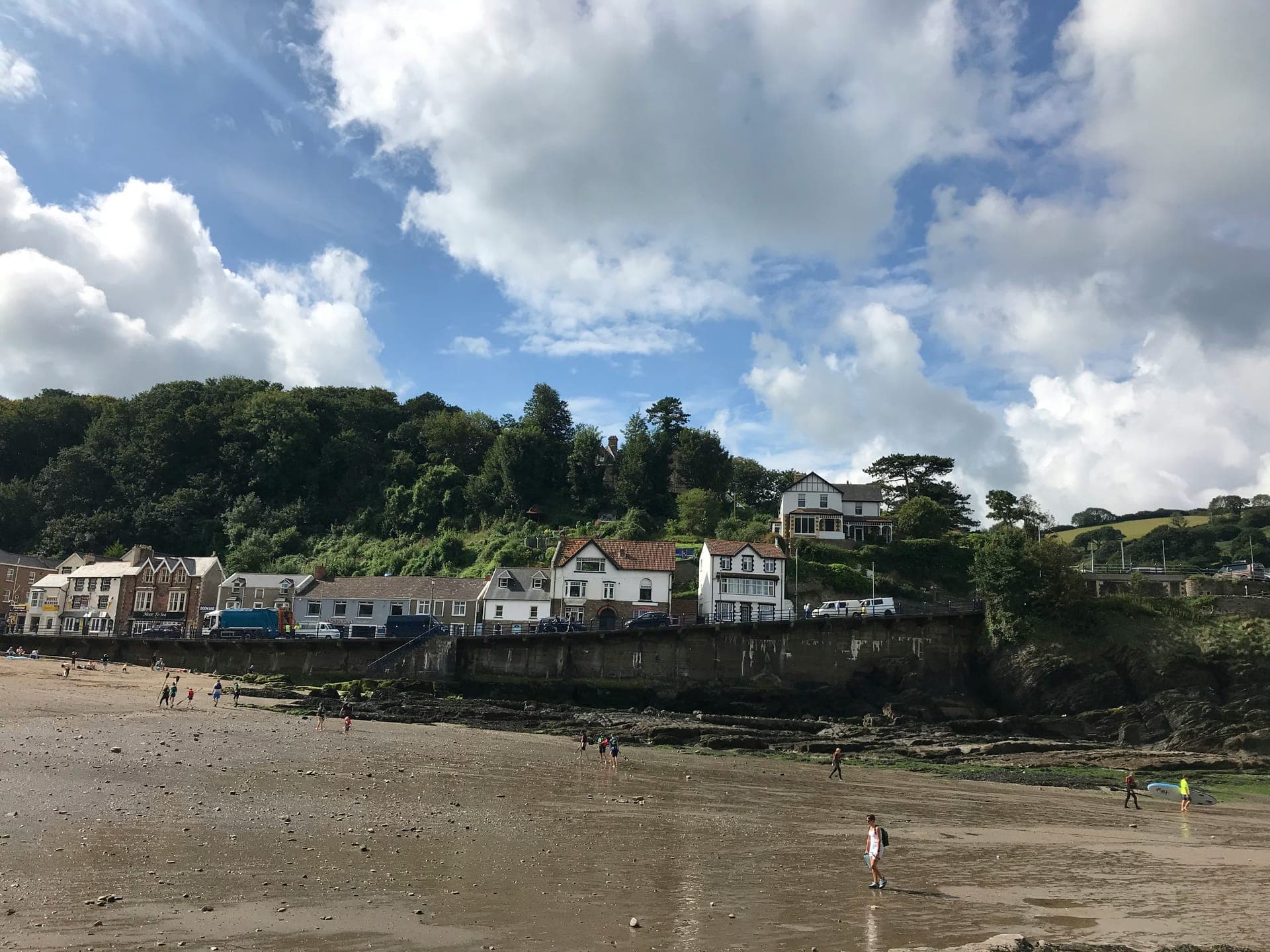
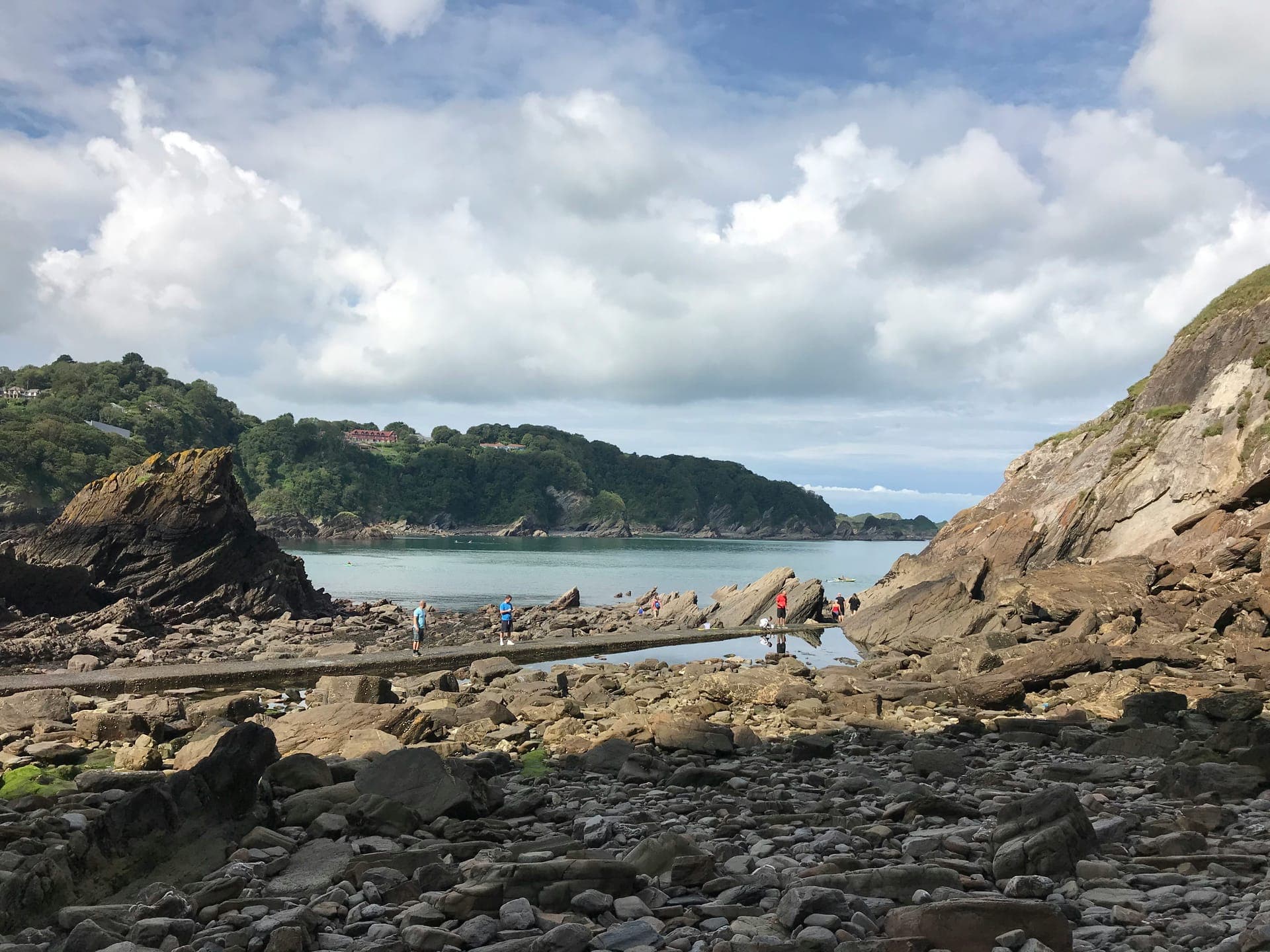
The sheltered, rocky coves are the ones to head for. Combe Martin beach is among the finest in the area, with pools appearing on both sides of the cove as the tide drops. Barricane at Woolacombe is another favourite, a small rocky cove famous for the unusual shells that wash up from warmer waters, so there is treasure to hunt as well as creatures to find. Hele Bay, just east of Ilfracombe, has good pools tucked between the cliffs and is easy to reach, and the quiet cove at Lee reveals plenty of hidden corners at low tide. For a mix of rockpools and a safe tidal swimming pool in one spot, Tunnels Beaches in Ilfracombe is hard to beat. Our big beach guide has the full rundown if you want to explore further.
Timing it right
Tides are everything with rockpooling. The pools are at their best on a falling tide and around low water, when the most rock is exposed and the creatures are concentrated in whatever water is left. Aim to arrive an hour or two before low tide, which gives you time to explore as the water keeps dropping, then head back up as it turns. Check the tide times before you set off, both to catch the low water and to make sure the incoming tide will not catch you out.
What you might find
Once you start looking, the pools are surprisingly busy. Shore crabs are the usual stars, scuttling under weed, along with hermit crabs carrying their borrowed shells. Look closely and you will spot small fish like blennies and gobies darting between rocks, along with shrimp, prawns and the soft red blobs of beadlet anemones that open into flowers underwater. Limpets and periwinkles cling to the rocks, and if you are lucky you might turn up a starfish or a cushion star. Half the fun is not knowing what the next pool will hold.
How to do it, and doing it kindly
The gear is simple. A bucket, a net and something with a good grip on your feet are all you really need, and wellies or old trainers beat bare feet on the sharp, slippery rocks. Fill your bucket with seawater before you start so anything you catch has somewhere comfortable to sit while you look at it.
A few simple habits keep the shore healthy for the next family. Wet your hands before handling anything, so you do not damage delicate creatures. If you lift a rock to look underneath, turn it back exactly as you found it, since a whole little world lives under there. Keep only a few creatures in your bucket at a time rather than crowding them, and always tip everything back where you found it before you leave. Nothing goes home except the shells and the photos.
Staying safe
Rockpooling is gentle, but the shore deserves respect. The biggest thing to watch is the incoming tide, as some of these coves narrow quickly and you do not want to be cut off, so keep an eye on the water and know your way back. The rocks and weed are slippery, so tread carefully and keep little ones close near deeper pools and the water's edge. Take sun cream and a hat on bright days, since a couple of hours pass quickly when you are absorbed, and wash hands before any snacks.
Frequently asked questions
Where is the best place to go rockpooling in North Devon?
The sheltered coves around EX34 are ideal, with Combe Martin, Barricane at Woolacombe, Hele Bay and Lee among the best. Tunnels Beaches in Ilfracombe combines good rockpools with a safe tidal swimming pool, which makes it a great family choice.
When is the best time to go rockpooling?
On a falling tide, around low water, when the most rock is exposed. Arrive an hour or two before low tide and check the times before you go, both to catch the pools at their best and to avoid being caught by the returning tide.
What will we find in the rockpools?
Commonly shore crabs, hermit crabs, small fish like blennies and gobies, shrimp, prawns and beadlet anemones, along with limpets and periwinkles on the rocks. Starfish and other finds turn up too, so every pool is a bit of a surprise.
What do we need to take?
Not much. A bucket, a net and footwear with a good grip are the essentials, plus sun cream on bright days. Fill the bucket with seawater to keep anything you catch happy while you have a look.
Is rockpooling safe for young children?
Yes, with a bit of care. Keep little ones close near deeper pools and the water's edge, watch the incoming tide, and mind the slippery rocks. It is one of the gentlest and most rewarding ways to get children exploring the coast.